
Interim Management: Strategic Lever, Not a Stopgap


The conversation has changed.
A few years ago, I’d hear ‘interim CFO’ and the immediate response was often defensive: only a stopgap, only when we couldn’t find the right permanent person, only to cover an unexpected gap.
Now? I’m seeing thoughtful CEOs and boards actively choose interim finance leadership for transformation, carve-outs, acquisition integration and system implementation. And I’m seeing experienced CFOs and Finance Directors deliberately building portfolio careers, moving away from the 10-year tenure model towards something more strategic and flexible.
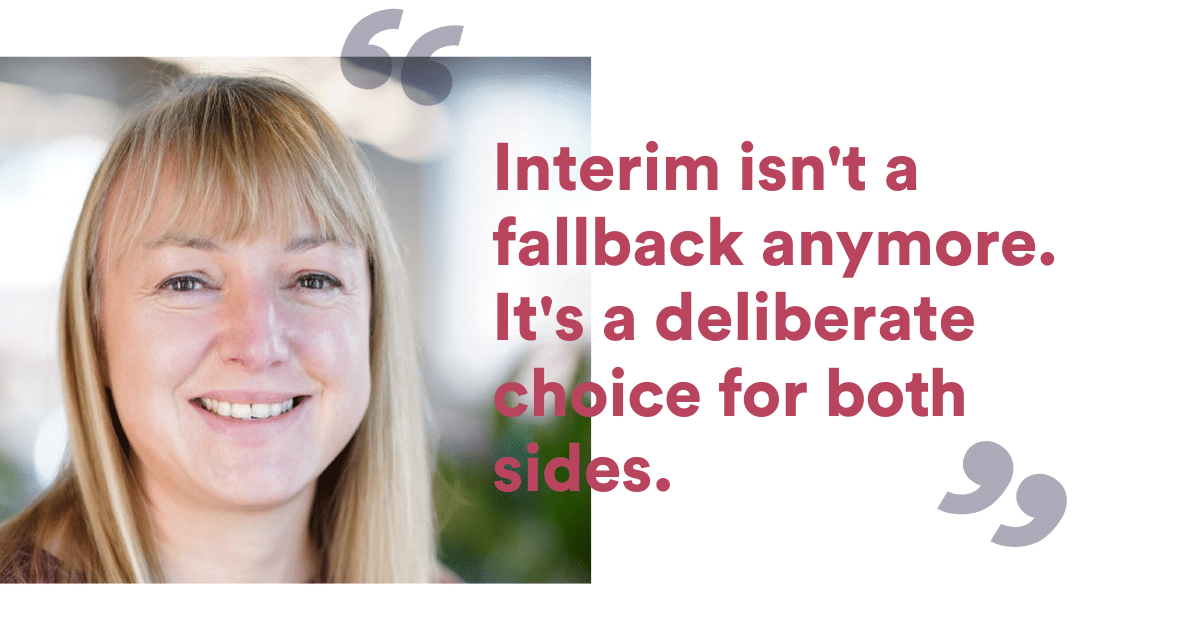
This shift matters. Because it means interim isn’t a fallback anymore. It’s a deliberate choice for both sides.
Why this is happening
1. The permanent hire timeline doesn’t match the business pace
Senior finance recruitment can take four to six months. But transformation, system implementation and strategic pivot don’t wait. If a board needs immediate expertise to navigate a complex change, it can’t afford to be constrained by recruitment times. An interim leader lands in weeks, brings relevant experience and moves fast because they’re hired for a specific outcome, not a job title.
2. Expertise beats permanence
There’s a difference between ‘steady stewardship’ and ‘focused impact’.
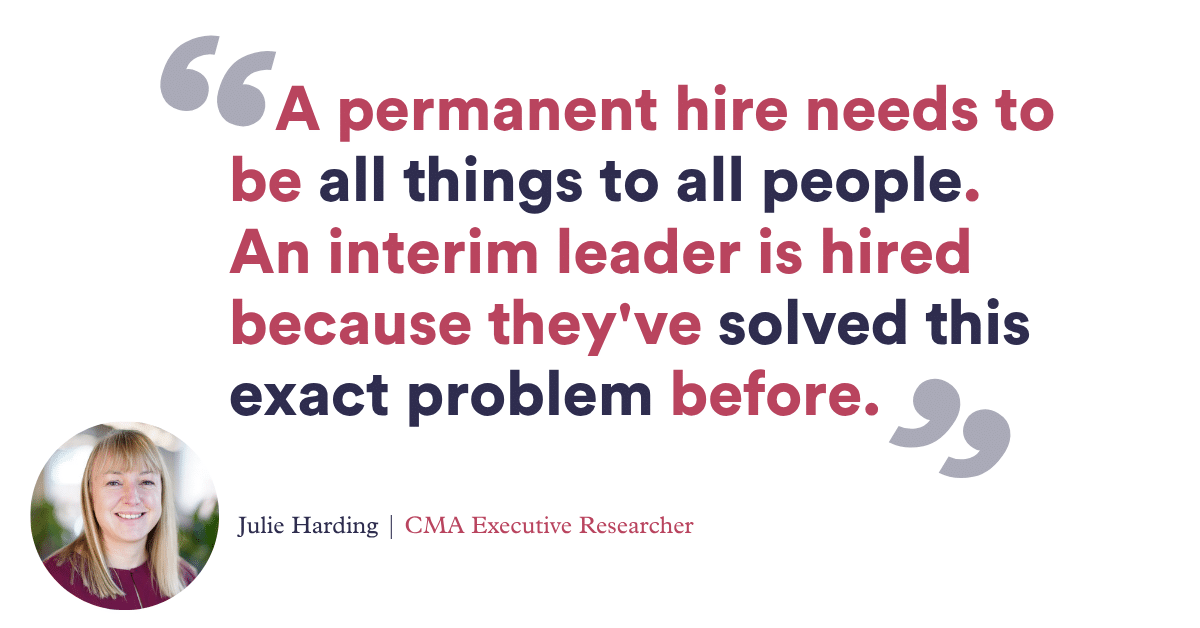
A permanent hire needs to be all things to all people. An interim leader is hired because they’ve solved this exact problem before. They bring deep, specific experience in what you’re trying to do: PE-backed growth, founder-led to governance, FP&A modernisation, M&A integration. They don’t need to learn the context on the job.
For high-calibre finance leaders, this is liberating. You get to lead the work you’re the expert in, without the noise of everything else.
3. Boards value objectivity more in uncertain markets
An outsider can see clearly what insiders can’t. They can recommend difficult changes without political cost. They can challenge assumptions. They bring fresh thinking to capital allocation, stakeholder management and governance. In a VUCA world, that external perspective is increasingly valuable.
4. Elite finance leaders are choosing flexibility
The best CFOs and Finance Directors aren’t all looking for one permanent role. Many are building portfolio careers; interim leadership, board positions, mentoring, advisory work. This isn’t ‘semi-retired’, it’s curated. They’re selective. They want impact, variety, and autonomy. When they take an interim role, they’re committed to the outcome.
5. Risk works both ways
Boards worry about hiring someone for 18-24 months only to discover misalignment. Candidates worry about taking a permanent role in the wrong culture or wrong phase of business. An interim engagement de-risks both sides. You trial working together. You prove capability under pressure. If it works, the interim can transition to permanent. If it doesn’t, both parties move on having learned something.
One practical takeaway
Get clear on what you actually need, before you search.
The best interim engagements start here.
- Stabilisation: You need a steady hand to lead through a leadership gap or period of uncertainty. Hire for credibility and calm.
- Transformation: You’re restructuring finance, implementing systems, shifting culture. Hire for change management capability and specific domain expertise.
- Growth acceleration: You need to move faster: tighter reporting, better capital discipline, investor-readiness. Hire for strategic rigour and pace.
- Strategic oversight: You need a C-suite partner during M&A, carve-out, or major pivot. Hire for experience in that specific scenario.
The boards and candidates that struggle are the ones who muddy this question. Be honest about what you’re actually solving for. It changes everything about who you hire and why they’ll succeed.
A Question worth asking
For CEOs and boards: When was the last time you had access to someone who could recommend a difficult decision without worrying about office politics or career impact?
For experienced finance leaders: Have you considered whether traditional permanent roles are the only way to have impact and influence?
I’d like to hear from you: What’s shifted your thinking on interim leadership, or what’s holding you back? The real value in these conversations comes from the people actually navigating these decisions.